
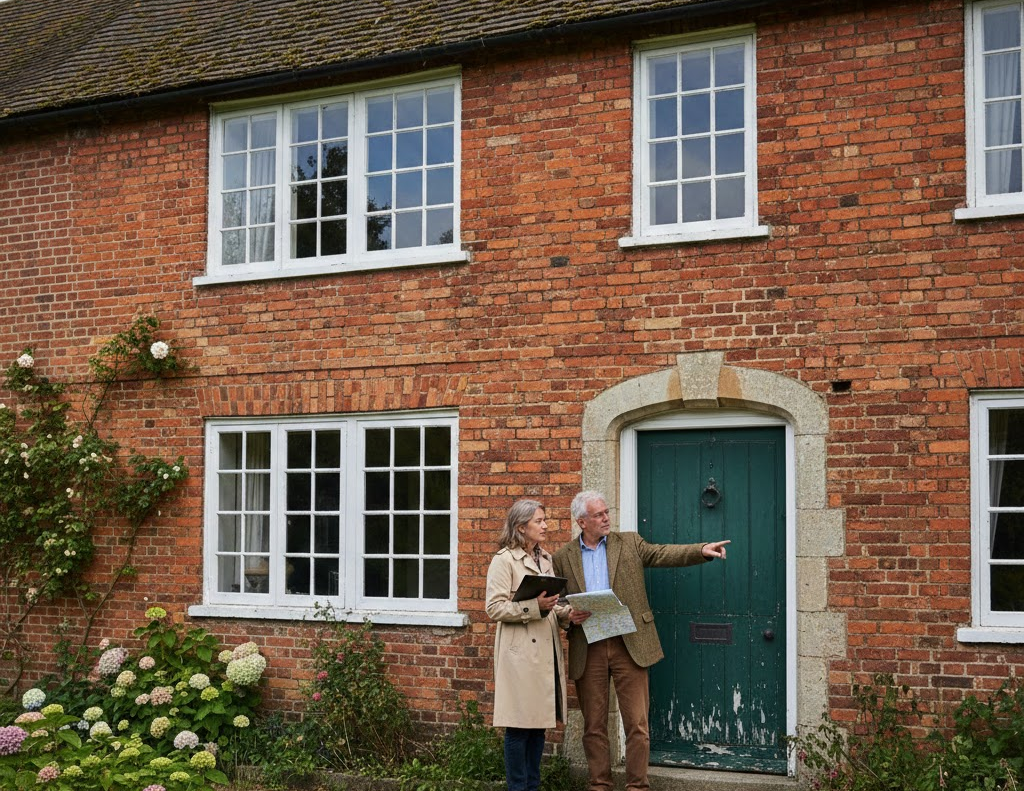

Traditional homes attract buyers for good reasons. They often possess character, solid construction, and established locations. This makes them more attractive than newer developments.
Many buyers discover that these properties provide a sense of stability and uniqueness that newer homes often lack.
This emotional connection often starts during the first viewing. Features such as original fireplaces, wooden floors, and period details leave a strong first impression and usually inspire renovation ideas before practical concerns are fully considered.
Recent data found that over 38% of homes in the UK built before 1946 require urgent repairs. The main issues are dampness, old wiring, and structural problems. This shows that a property’s attractive look often masks serious risks that buyers ignore at first.
Many buyers focus on prominent features and overlook hidden issues behind walls or under floors. Older homes show years of wear, repairs, and ageing materials. Skipping thorough inspections can lead to unexpected expenses and stress after the purchase.
At Javea Property Finder, we help you make smart decisions when looking for a home. We guide buyers who want clarity before investing in an older property.
Below are the common errors buyers make when purchasing older homes, along with simple ways to avoid them.
Key Mistakes to Avoid When Buying Older Homes
Here are some key mistakes to avoid when buying older homes:
Mistake 1: Assuming a Standard Survey Reveals Everything
Numerous buyers depend on a standard homebuyer report. These reports offer helpful summaries but mainly focus on visible issues rather than the hidden risks associated with age or past renovations.
One common mistake buyers make is assuming older homes are free from modern risks. In properties built before 2000, legacy materials such as asbestos can still be present and often go unnoticed until renovations are planned. Consulting specialists like Advanceasbestosremoval.co.uk allows potential concerns to be identified and handled safely, helping buyers avoid unexpected delays or costs after purchase.
How to Avoid Them:
Ask surveyors what is not included in their reports. If you are planning renovations that involve ceilings, floors, garages, or insulation, plan for detailed inspections. These initial reviews help protect your schedule and budget before you start any work.
Mistake 2: Underestimating Damp and Ventilation Issues
When you view older houses, problems with dampness often look minor. A small stain or light smell usually doesn’t raise alarms. These homes rely on natural airflow, so good ventilation is essential.
Without proper ventilation, condensation can build up. This can lead to mould growth, timber damage, and ongoing moisture concerns. These problems tend to get worse in colder months, especially in winter.
How to Avoid Them:
Don’t just concentrate on visible problems. Ask sellers about winter conditions and any past treatments. Schedule a moisture assessment that examines ventilation, structure, and how moisture moves, not just surface signs.
To manage damp concerns in older homes, this useful guide explains key steps buyers can take to improve ventilation and moisture control before buying.
Mistake 3: Overlooking Ageing Electrics and Plumbing
Older electrical systems and plumbing often date back many years and are concealed behind walls and finishes. Older wiring may struggle to support modern appliances, and ageing pipes can lead to leaks and pressure issues.
According to Anglian P.H.E., about 15% of homes built before 1980 still have outdated electrical systems. This raises the risk of malfunctions, safety issues, and costly fixes for buyers of older homes. This highlights the need for pre-purchase inspections, especially if the home has not been updated.
Problems often appear during daily use, not during short inspections.
How to Avoid Them:
Before buying, have professionals evaluate the electrical and plumbing systems. Check the fuse boxes, types of pipes, and whether everything meets current codes. Use the findings to plan upgrades wisely instead of waiting for problems to arise.
Mistake 4: Failing to Budget Realistically for Repairs
Several buyers spend money on clear upgrades, such as kitchens or furniture. Hidden expenses can appear later. Repairs, compliance work, labour, and access issues can quickly increase spending beyond the original budget.
When these costs are not planned for, it could lead to financial pressure and decision fatigue.
How to Avoid Them:
Start by setting aside a reserve fund. Get professional estimates early instead of relying on average costs. Prioritise necessary fixes over cosmetic updates.
Mistake 5: Ignoring Planning and Conservation Restrictions
Many historic houses are in areas with special protections that limit shifts. These rules affect renovations, window replacements, roofing, and interior updates.
Buyers often learn about these restrictions only after they purchase the property, when their plans are denied or take a long time to be approved.
How to Avoid Them:
Before buying, check the property’s planning history and conservation status, and look closely at what changes you can make. Communicate with local planning officials early to understand your options.
Mistake 6: Letting Emotions Override Due Diligence
Homes with character often create strong feelings for buyers. Before looking at surveys, budgets, or schedules, buyers start imagining their future lifestyle. This excitement can shorten their decision-making time.
However, rushing can lead to overlooked details and costly surprises.
How to Avoid Them:
It’s important to separate the excitement of viewing a home from the evaluation process. Use a checklist to cover surveys, costs, approvals, and improvements. Take a moment to calmly review the facts before making an offer.
Conclusion
Older houses still attract buyers who appreciate their unique character and long-lasting appeal. Issues often arise from inadequate preparation, not the age of the building.
Careful inspections, expert advice, and a realistic budget help you spot problems early and manage costs before they rise.
With careful planning, an older home can be a good investment and a comfortable place to live, rather than a source of constant costs and stress.

